
What is Localization? How Does It Differ from Translation?
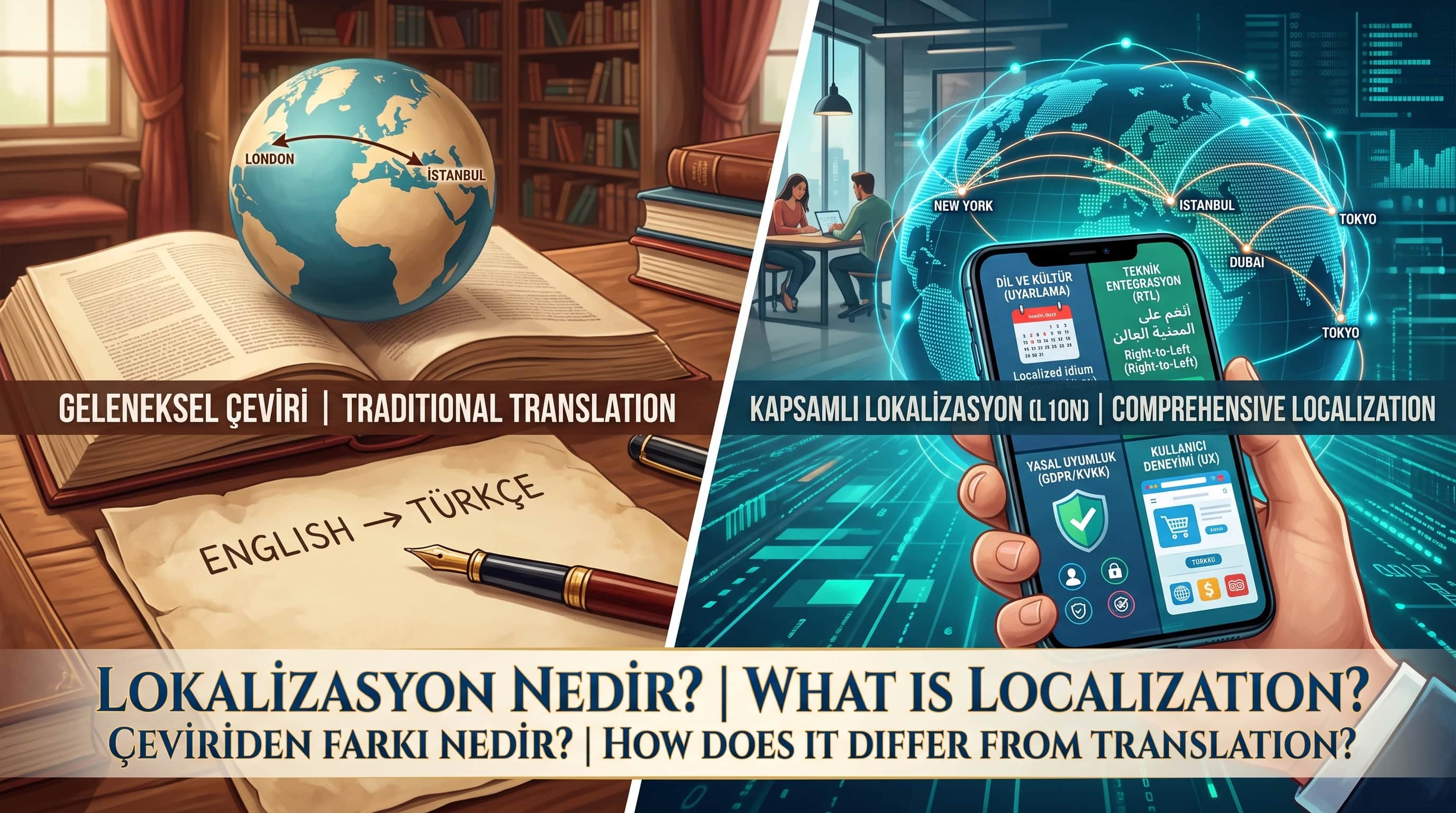
In an interconnected digital economy, expanding a software product, video game, or brand into international markets involves far more than straightforward dictionary conversion. While translation and localization are frequently treated as synonyms, their technical, linguistic, and operational boundaries differ considerably.
What is Localization?
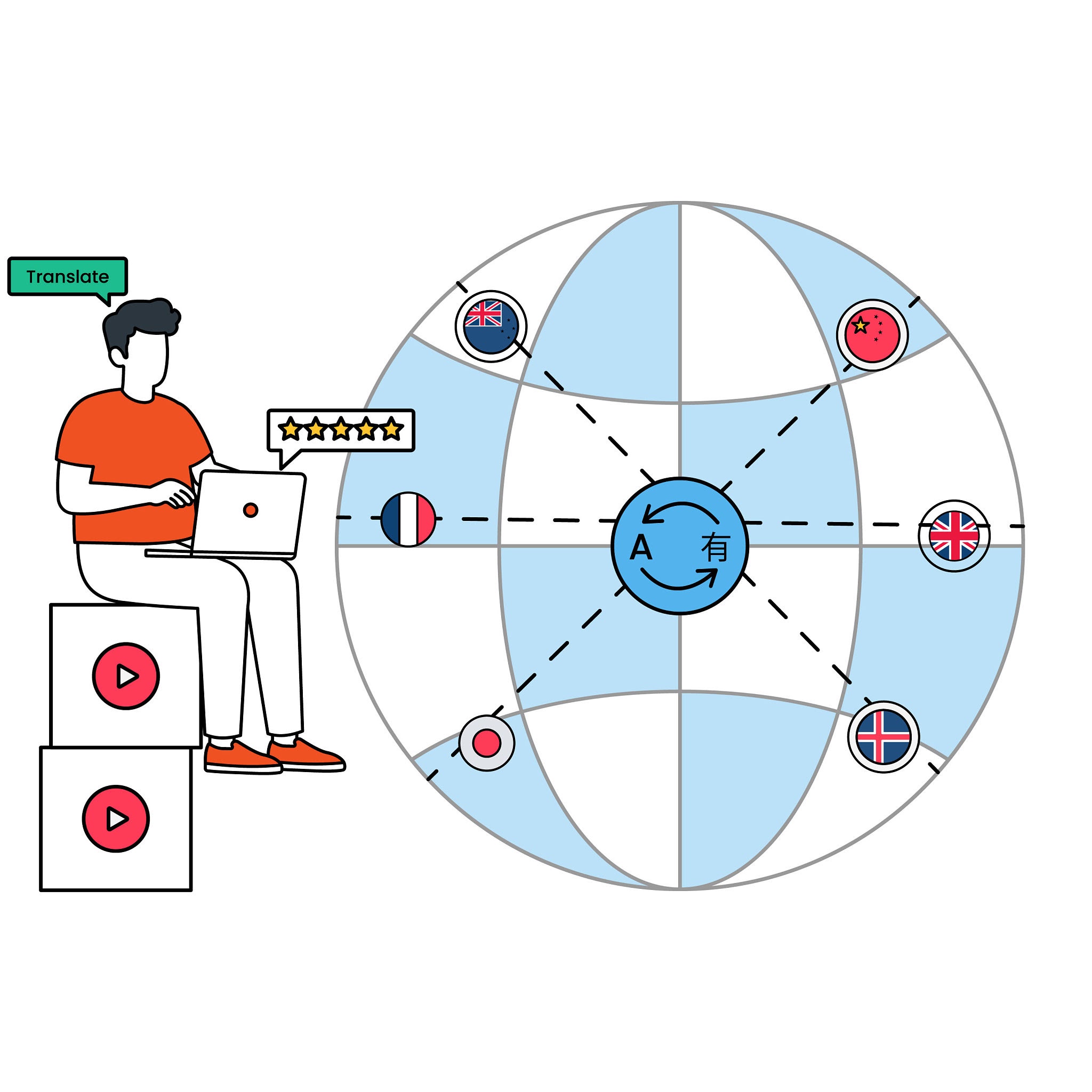
Commonly abbreviated as L10n (representing the 10 letters between 'L' and 'n'), localization is the comprehensive process of adapting a product, service, or digital asset to the linguistic, cultural, functional, and legal specifications of a specific target locale.
The primary objective of localization is to make the product feel native to the local audience—ensuring that nothing feels foreign, jarring, or culturally incongruent.
Core Distinctions: Translation vs. Localization
Translation is a central pillar within the broader localization framework, but localization extends significantly beyond text transfer.
- Focus & Intent: Translation prioritizes accurate semantic, grammatical, and stylistic conversion of source text. Localization centers on end-to-end user experience (UX), emotional resonance, and cultural immersion.
- Multimodal Scope: While translation handles words, localization adapts UI layout dimensions, visual imagery, date and time conventions, currencies, symbols, and payment gateways.
- Technical Integration: Localization involves string extraction, character encoding (Unicode/UTF-8), text expansion accommodation (e.g., German text typically expanding 20-35% relative to English), and bidirectional script support (such as Arabic or Hebrew).
Direct Comparison Table
| Attribute | Standard Translation | Localization (L10n) |
|---|---|---|
| Primary Scope | Linguistic & semantic conversion | Linguistic, cultural, functional, and technical adaptation |
| Visual Assets | Typically unaltered | Replaced or redesigned to match cultural sensitivities |
| Data Formats | Often translated verbatim | Currency, metric/imperial units, address formats, calendars are adapted |
| Legal Compliance | Relies strictly on source legal text | Re-aligned with local regulatory frameworks (e.g., GDPR, local privacy laws) |
| Core Medium | Books, academic papers, contracts, manuals | Software UI/UX, mobile apps, video games, e-commerce, marketing |
References
- Wikipedia (English): Language localization — en.wikipedia.org/wiki/Language_localization
- Vikipedi (Türkçe): Yerelleştirme (Yazılım ve Dil) — tr.wikipedia.org/wiki/Yerelleştirme
- W3C (World Wide Web Consortium): Localization vs. Internationalization — w3.org/International/questions/qa-i18n
- GALA (Globalization and Localization Association): What is Localization? — gala-global.org
- Esselink, B. (2000): A Practical Guide to Localization, John Benjamins Publishing Company.